
Male Pattern Hair Loss
Preserving density and stimulating natural follicular regeneration.
Our Approach
Male pattern hair loss, clinically known as Androgenetic Alopecia, is a progressive condition that affects a significant majority of men. Rather than a sudden loss, it is characterized by a gradual miniaturization of the hair follicle, leading to thinning at the crown and a receding hairline. At Pilot Medical Clinic, we approach hair restoration not with temporary cosmetic fixes, but through targeted medical intervention. By addressing the underlying hormonal triggers and structurally stimulating the scalp, we work to preserve your existing density and reawaken dormant follicles.
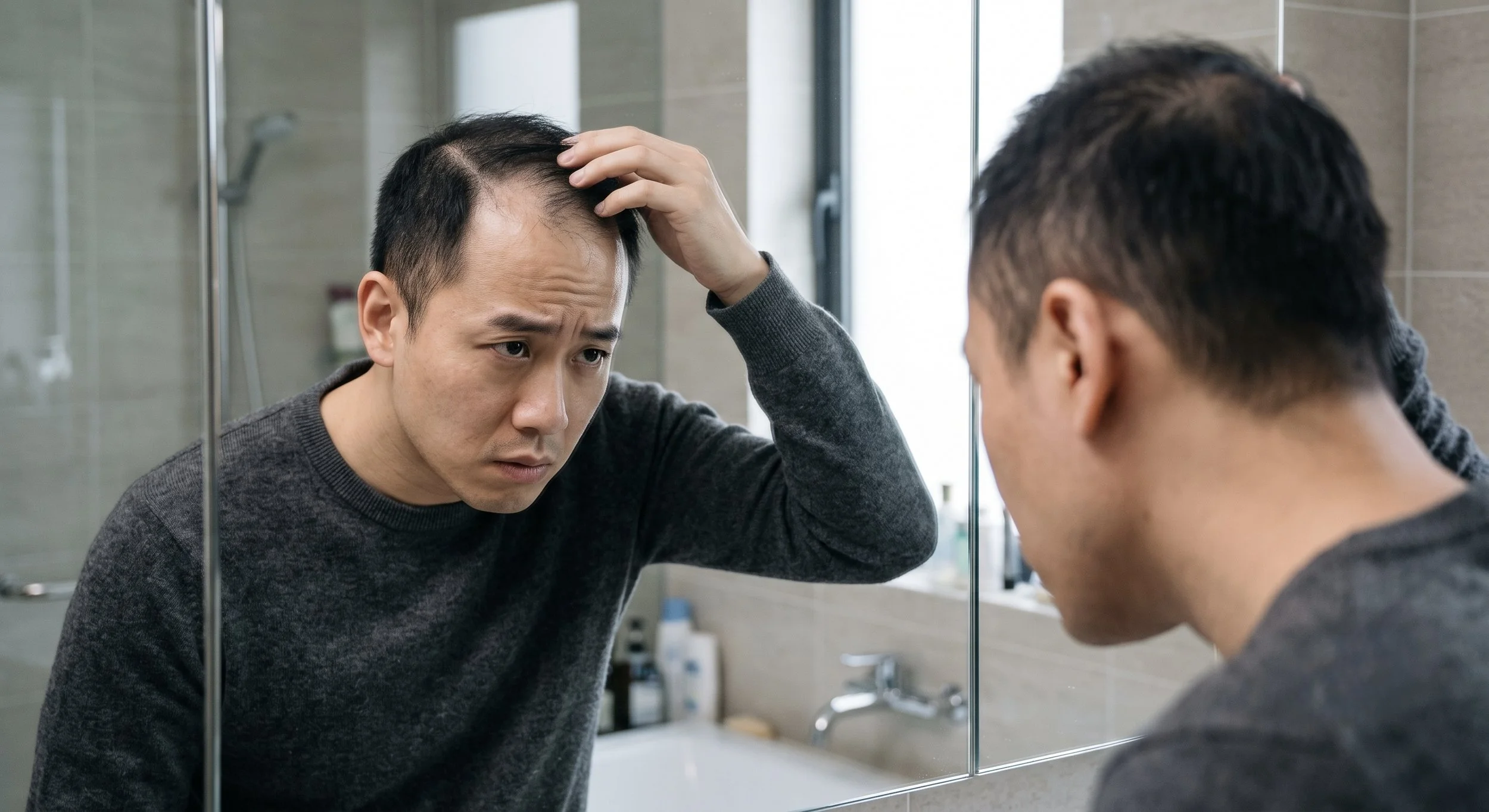
Causes of Male Pattern Hair Loss
Hair loss is a complex interplay of genetics, hormones, and cellular aging. Effective treatment requires an understanding of the specific mechanisms driving follicular miniaturization:
Dihydrotestosterone (DHT): The primary catalyst for male pattern hair loss. This potent androgen binds to receptors in susceptible hair follicles, causing them to shrink, weaken, and eventually stop producing visible hair.
Genetic Predisposition: Your inherited sensitivity to DHT dictates the pattern and severity of your hair loss.
Follicular Miniaturization: As the growth cycle shortens, each new hair shaft becomes progressively finer and shorter until the follicle becomes completely dormant.
Scalp Health & Microcirculation: Poor blood flow to the scalp deprives follicles of the essential oxygen and nutrients required for robust hair production.
Our Clinical Approach at Pilot Medical Clinic
Under the expert direction of our Medical Director, Dr. Jason Lau, our hair restoration protocols are strictly evidence-based. We deploy a multi-modal strategy to block the effects of DHT, nourish the scalp, and stimulate cellular regeneration.
Our therapeutic modalities include:
Autologous Cellular Micrografting: An advanced regenerative protocol that harnesses your body's own biological healing capacity. By harvesting microscopic tissue samples from healthy, DHT-resistant areas of your scalp, we isolate powerful progenitor cells and natural growth factors. This highly concentrated, autologous suspension is then strategically reintroduced into thinning areas to repair miniaturized follicles and catalyze natural hair growth.
Targeted Medical Therapeutics: The foundation of follicular preservation. We prescribe clinically proven oral and topical medications to halt DHT production and prolong the hair's active growth phase (anagen).
Advanced Scalp Bio-Remodeling: The strategic micro-injection of polynucleotides and hair-specific growth factors directly into the scalp. This creates an optimized cellular environment, reducing localized inflammation and signaling dormant follicles to re-enter the growth phase.
Low-Level Light Therapy (LLLT): Utilizing highly calibrated, non-thermal light energy to stimulate cellular metabolism and increase microcirculation within the scalp, fortifying the hair shaft and accelerating regrowth.
Clinical Scalp Exfoliation: Medical-grade treatments to clear follicular congestion, removing the buildup of sebum and dead skin cells that can impede healthy hair emergence and block the absorption of topical therapeutics.
Find out more about Stressed Induced Hair Loss, Female Pattern Hair Loss
Expertly reviewed by the Pilot Medical Team.
Any Questions?
-
While completely dormant follicles cannot be resurrected without surgical transplantation, significantly miniaturized and weakened follicles can be revived. Our medical protocols are highly effective at halting further loss and thickening existing hairs, resulting in a noticeable restoration of density.
-
Hair restoration requires patience, as it is tied to your natural physiological hair growth cycle. While a reduction in daily hair shedding can often be noticed within the first month, significant visible thickening and new growth typically take 3 to 6 months of consistent clinical treatment.
-
All medical treatments carry potential side effects, though they are generally rare and well-tolerated when managed by a physician. During your comprehensive consultation, Dr. Lau will assess your medical history to ensure the prescribed therapies are both safe and highly suitable for your specific profile.
-
Early intervention is critical. By beginning clinical treatments at the first signs of thinning, many patients successfully maintain their density and avoid the need for surgery. For those with advanced loss, our clinical protocols are often used in tandem with surgical restoration to preserve the non-transplanted hair and optimize overall results.
Preserve Your Structural Density
Effective hair restoration requires a sustained, medical-grade strategy. Schedule a comprehensive consultation with our medical team to accurately diagnose your hair loss stage and design your tailored preservation protocol.