
Skin Tag Removal
Precision dermal clearing for a smooth, unblemished profile.
Our Approach
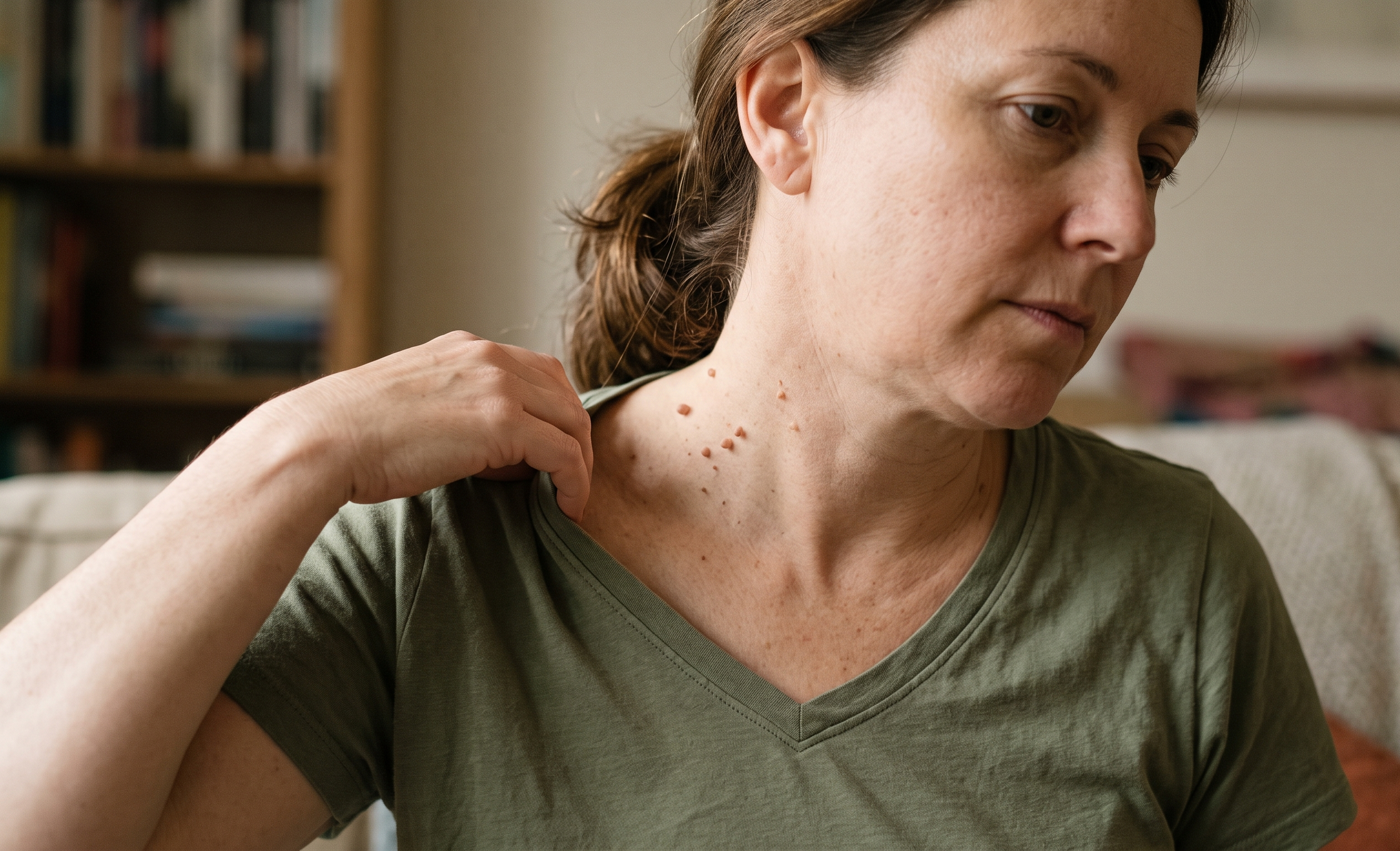
Skin tags (acrochordons) are benign, harmless skin growths that commonly appear in areas where the skin folds or experiences frequent friction. While they do not pose a medical threat, they can become a source of physical discomfort when snagged by clothing or jewelry, and are a frequent cosmetic concern. At Pilot Medical Clinic, we approach lesion removal with meticulous precision, utilising advanced modalities to cleanly excise the tissue while preserving the surrounding skin and minimising the risk of scarring.
Our Clinical Approach at Pilot Medical Clinic
Under the guidance of our Medical Director, Dr. Jason Lau, our clinical protocols prioritize safe, effective, and aesthetically sound removal. Unlike over-the-counter topical solutions which can cause severe chemical burns and permanent scarring, our medical-grade extractions are controlled, sterile, and immediate.
Following a detailed assessment to confirm the lesion is benign, we utilize one of the following precision modalities:
Electrocautery (Radiosurgery): Utilizing targeted, high-frequency electrical currents to instantly ablate the skin tag at its base while simultaneously sealing the blood vessels. This ensures a clean removal with zero bleeding and a highly refined healing process.
Advanced CO2 Laser Excision: Deploying a focused beam of carbon dioxide laser energy to vaporize the tissue with pinpoint accuracy. This is highly effective for removing multiple tiny tags in a single session, particularly in delicate areas like the eyelids or neck.
Surgical Snip Excision: For larger tags with a thicker stalk, sterile surgical scissors or a scalpel are used for immediate removal. The base is then carefully cauterized to prevent bleeding and encourage smooth dermal recovery.
Cryotherapy: The application of medical-grade liquid nitrogen to freeze and destroy the cellular structure of the skin tag, causing it to naturally detach over the following days.
Find out more about Milia Seed Treatment
Expertly reviewed by the Pilot Medical Team.
Causes of Skin Tags
Skin tags typically present as small, soft, flesh-colored or slightly hyperpigmented flaps of tissue connected to the skin by a tiny stalk (peduncle). They are most commonly found on the neck, underarms, eyelids, groin, and under the breasts.
While the exact physiological trigger for every skin tag is not fully understood, clinical evidence points to several key contributing factors:
Friction: The continuous rubbing of skin against skin, or skin against clothing, is the primary catalyst for their development.
Genetics: A predisposition to developing skin tags often runs in families.
Age and Cellular Changes: They become increasingly common as the skin ages and loses structural elasticity.
Metabolic Factors: Hormonal fluctuations (such as those during pregnancy) and metabolic conditions can increase the likelihood of their appearance.
Any Questions?
-
No. Skin tags are completely benign overgrowths of normal skin tissue. They are not caused by a virus (unlike warts) and cannot be spread from person to person, nor can they spread to other parts of your own body through contact.
-
Patient comfort is central to our practice. For very small tags, the procedure is so quick that it is often described as a minor, instantaneous snap. For larger tags or multiple removals, we apply a clinical-grade topical numbing cream or administer a tiny localized anesthetic injection prior to excision, ensuring the procedure is virtually painless.
-
Once a specific skin tag is clinically excised, it is permanently destroyed and will not grow back. However, if you are genetically prone to skin tags or if the area continues to experience friction, new skin tags may develop in the same general vicinity over time.
-
When performed by a medical professional using precise modalities like electrocautery or CO2 lasers, the risk of scarring is exceptionally low. The treated area will form a tiny, superficial scab that typically falls off within 5 to 7 days, revealing fresh, smooth skin underneath.
-
We strongly advise against at-home removal methods (such as tying off the tag, using apple cider vinegar, or utilizing unsterilized clippers). These methods frequently lead to severe dermal inflammation, bacterial infection, uncontrolled bleeding, and permanent, unsightly scarring.
Remove your Skin Tags
Safe, seamless lesion removal requires clinical expertise and a sterile environment. Schedule a consultation with our medical team to clear unwanted skin tags and restore your skin's smooth topography.